
⭐ Introduction
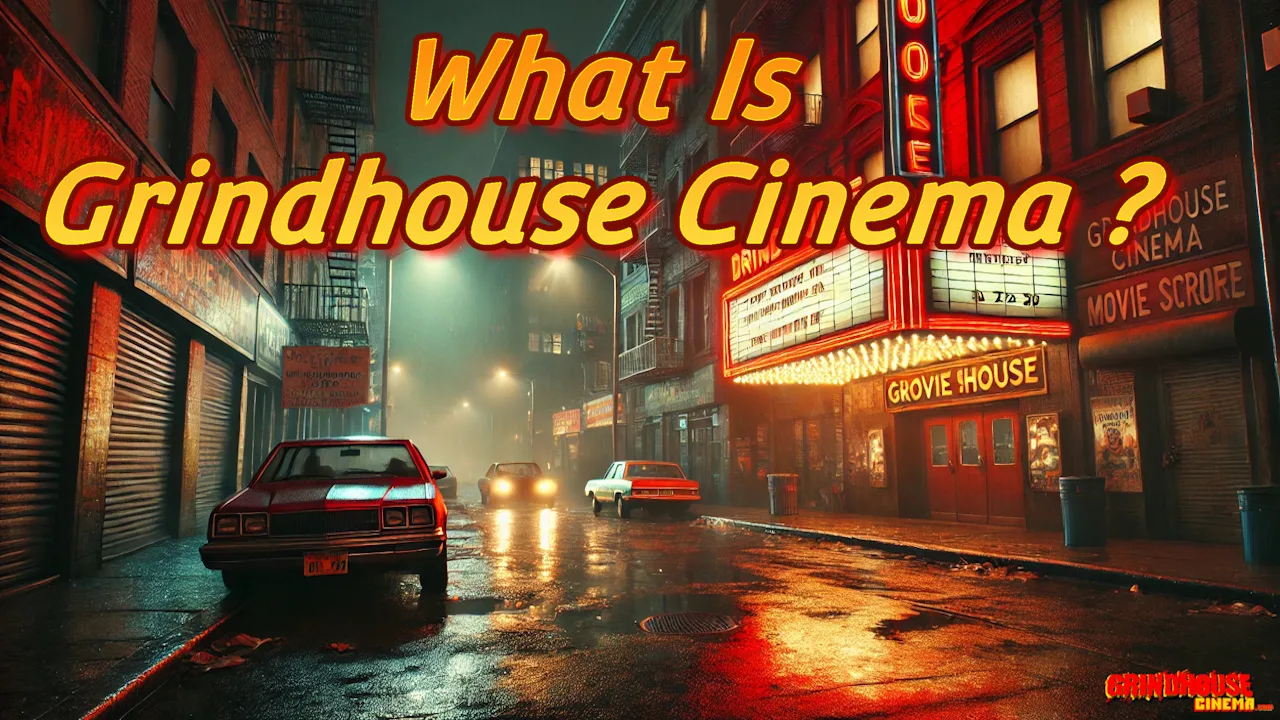
Grindhouse cinema refers to a raw, low-budget, unapologetically bold style of filmmaking that dominated American and European subculture from the 1950s to the early 1980s. These films were screened in run-down theaters—known as “grindhouses”—that operated around the clock and relied on shock value to keep audiences returning.
Today, Grindhouse cinema has become a celebrated underground cultural movement, influencing directors, film schools, restorers, and modern streaming communities.
This guide explains its history, defining characteristics, iconic films, and why it still matters.
⭐ 1. The Origins of Grindhouse Cinema Culture
Early 20th Century: Roadshow films
Before “grindhouse” became a word, traveling roadshow exhibitors screened taboo topics—drugs, morality, vice, “educational” cautionary films.
These laid the foundation.
1950s–1960s: Times Square Transformation
Grindhouse cinema truly flourished on New York’s 42nd Street, where dozens of theaters screened:
-
low-budget crime films
-
sleaze/exploitation titles
-
horror
-
biker and outlaw films
-
European imports
Why the name “grindhouse”?
Because these theaters:
-
ran movies continuously (grinding through reels)
-
charged low prices
-
attracted niche, cult audiences
⭐ 2. Defining Characteristics of Grindhouse Films
Grindhouse films share common stylistic elements:
1) Low Budgets, High Creativity
Directors created shocking effects with minimal resources.
2) Taboo-breaking storytelling
Themes often included:
-
revenge
-
counter-culture
-
urban decay
-
dystopia
-
moral extremities
-
occult and supernatural elements
3) Raw, unpolished aesthetics
Grainy film, handheld cameras, flawed audio — all part of the charm.
4) Over-the-top promotional posters
Iconic 1970s poster art shaped modern exploitation marketing.
5) International influences
Italy, Spain, France, Japan, Mexico, Brazil, and Turkey all contributed heavily to the movement.
⭐ 3. Subgenres Within Grindhouse
Grindhouse is not one genre — it’s a network of micro-genres:
-
Cult revenge thrillers
-
Psychedelic horror
-
Grindhouse crime & mob films
-
Vigilante films
-
Sleazy Euro-cult dramas
-
Drive-in shockers
-
Giallo-inspired thrillers
-
Low-budget supernatural & occult cinema
Each subgenre has its own fanbase and film history.
⭐ 4. Why Grindhouse Cinema Still Matters
-
Authenticity
Raw, experimental filmmaking in an era before studio control. -
Cultural history
Captures social fears, urban decay, and underground movements of the 60s–80s. -
Influence on modern directors
Quentin Tarantino, Robert Rodriguez, Eli Roth, Rob Zombie, Nicolas Winding Refn, and Gaspar Noé all draw heavily from grindhouse aesthetics. -
Restoration and preservation
Companies today restore rare films from damaged 35mm prints. -
Niche streaming communities
Websites like GrindhouseCinema.com and Studios like SlzyStudio keep these films accessible to new generations.
⭐ 5. Best Entry-Level Grindhouse Films
⭐ Conclusion
Grindhouse cinema remains a vibrant subculture that blends history, artistic rebellion, and underground storytelling. Whether you’re a fan of cult thrillers, Euro-sleaze drama, or obscure exploitation gems, the grindhouse spirit lives on—and it continues to influence filmmakers around the world.